When Fibre Optic Cabling Fits a Building Network
Understand where fibre can be useful, what must be confirmed and how to prepare for a fibre cabling assessment in Toronto and the GTA.
View related service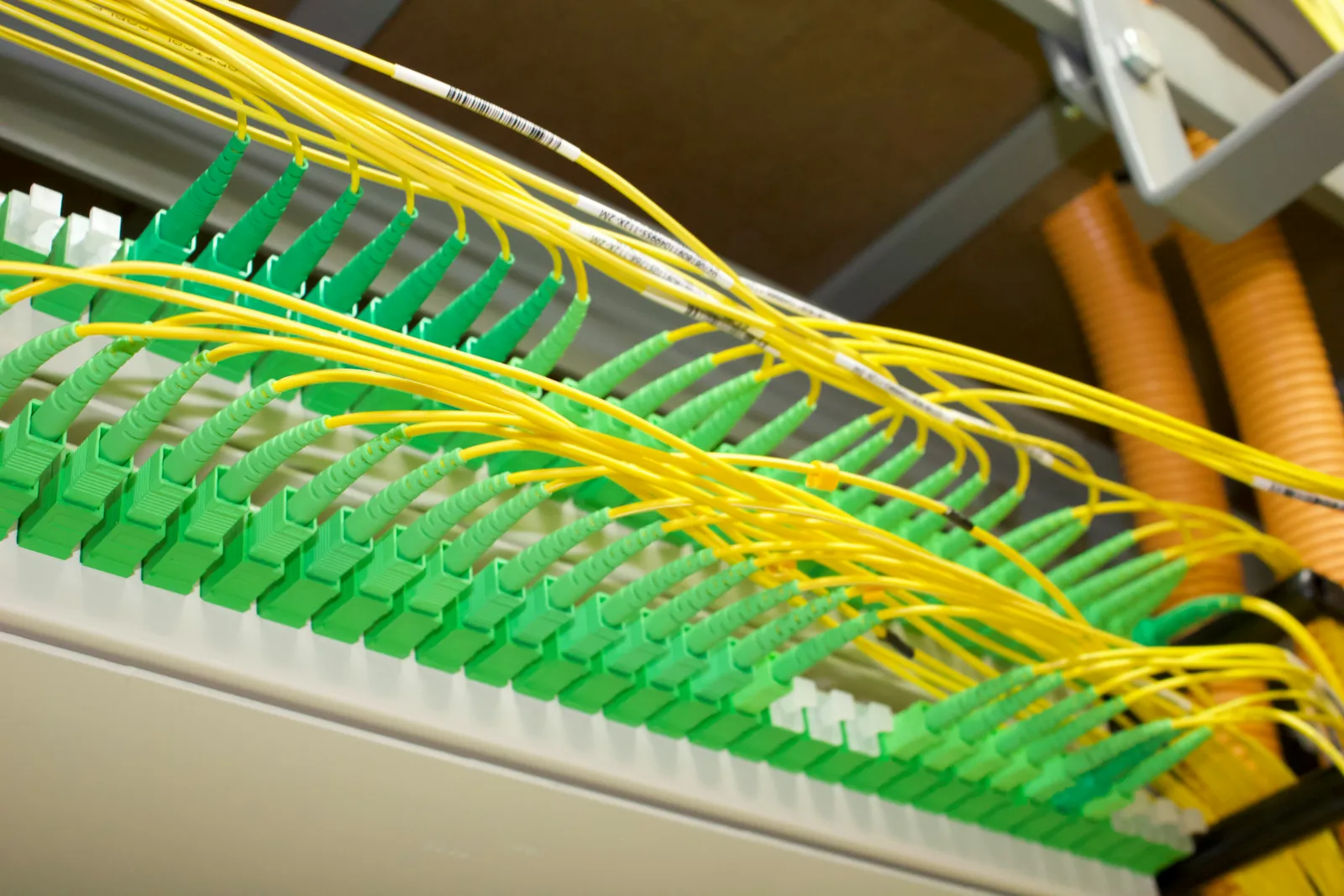
Fibre solves specific distance and capacity problems
Fibre optic cable carries data using light rather than electrical signals. It is commonly considered when a network connection must cover a longer distance, connect separate equipment areas or provide a backbone between parts of a property.
That does not mean every device needs a direct fibre connection. Many buildings use fibre for backbone links and copper cabling for workstations, cameras, access points and other endpoints. The appropriate mix depends on the network design and the equipment at each end.
Common places where fibre may be considered
A fibre link may be relevant for:
- connections between floors or network rooms;
- links between separate buildings;
- equipment located beyond practical copper-cabling distances;
- pathways exposed to electrical interference; or
- a backbone that must support multiple downstream connections.
These are planning examples, not a promise that fibre is required for every site. Existing conduit, pathway length, equipment compatibility and future access all need to be reviewed.
Fibre type and connector details matter
The words “fibre cable” are not a complete specification. Single-mode and multimode fibre are designed for different applications. Connectors, strand count, jacket type, pathway conditions and the optical equipment must also match the intended link.
If the project connects to existing equipment, collect model information or clear photographs of the ports and installed modules. A connector that physically fits is not enough to confirm compatibility.
Pathways and physical protection
Fibre must be routed with attention to bend limits, pulling conditions and protection from damage. Sharp turns, unsupported cable and crowded pathways can create avoidable risk. The route should also leave reasonable access for termination, inspection and future changes.
Before the work is scoped, identify where the fibre will start and end, the approximate route, available conduit or tray, and any areas that are difficult to access. Fire separations and building-specific requirements may also affect the pathway.
Testing and handoff
Ask what testing is included and what information will be provided after installation. The appropriate test method depends on the agreed scope. Avoid assuming that a photograph of a terminated cable proves optical performance or certification.
Useful handoff information can include endpoint labels, strand use, connector details and any test records included in the work. Confirm those deliverables before approving the scope rather than after the installation is complete.
Preparing for a fibre assessment
Share the two locations that need to be connected, the equipment at each end and the reason for the link. Note whether pathways already exist and whether the connection will cross floors, rooms or separate structures.
CableLink accepts inquiries about fibre optic installation in Toronto and the GTA. A site assessment can determine which route, cable type, terminations and testing belong in the proposed work.
Related guides
Network troubleshooting
How to Describe a Network Problem Before Requesting Service
Use symptoms, affected devices and recent changes to prepare a clearer network troubleshooting request for a Toronto or GTA property.
Low-voltage wiring
Low-Voltage Wiring: What to Plan Before Installation
Learn how pathways, equipment, separation and labelling affect low-voltage wiring projects in Toronto and GTA properties.