Structured Cabling: A Practical Planning Guide for GTA Properties
Learn what to review before adding network drops, patch panels or rack cabling in a Toronto or GTA home, office or commercial space.
View related service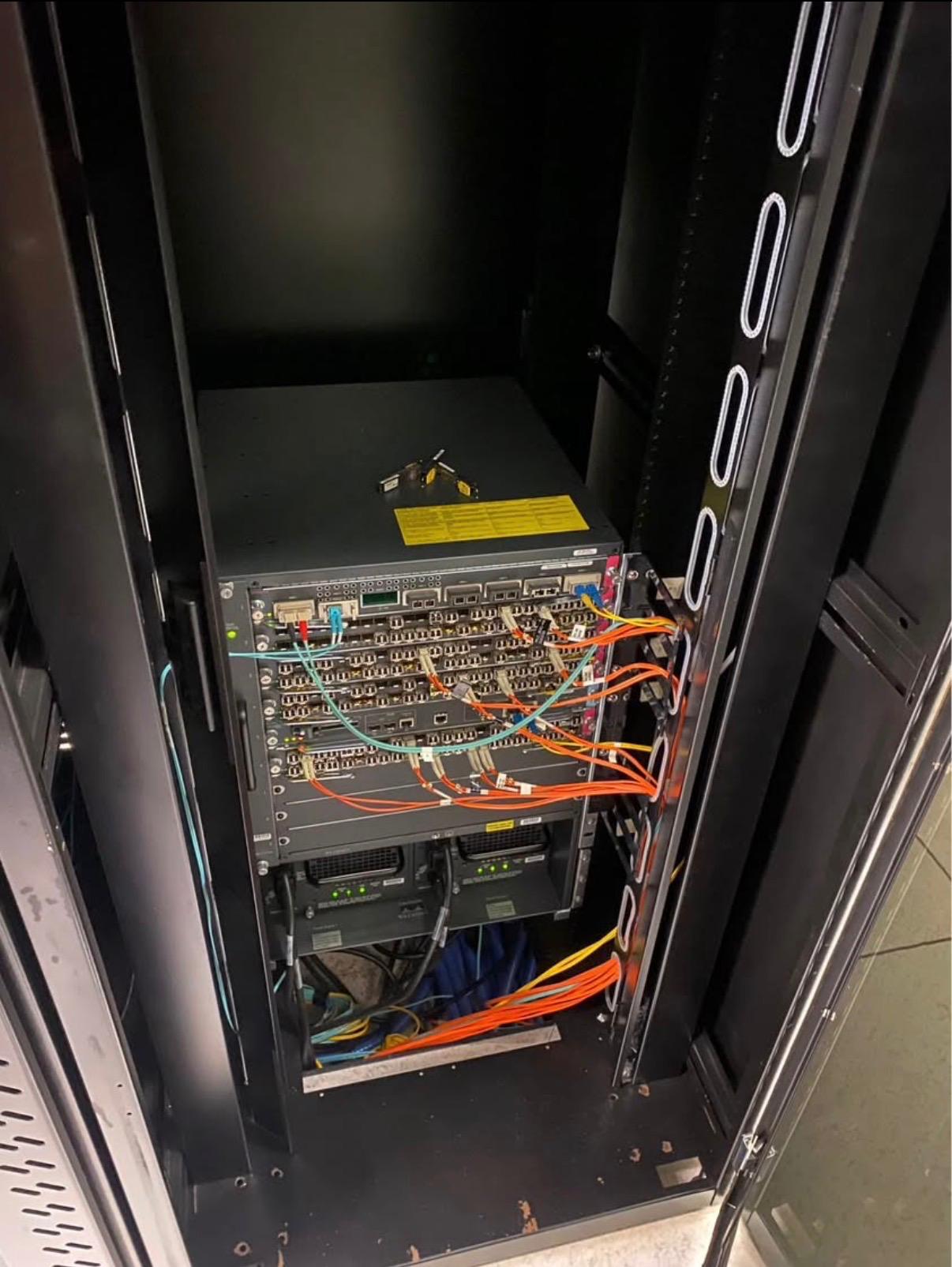
What structured cabling is
Structured cabling is the organized physical layer that connects network equipment and devices throughout a property. It can include Ethernet cable, wall outlets, patch panels, equipment racks and the pathways that carry cable between them.
The important word is structured. A planned system gives each run a clear origin and destination instead of adding loose point-to-point cables whenever a new device is installed. That makes the installation easier to understand and gives future work a better starting point.
What to decide before cable is installed
The cable category is only one part of the decision. Before work begins, it helps to identify:
- where the internet or network equipment will be located;
- which desks, cameras, access points, televisions or other devices need a wired connection;
- whether ceilings, conduits or other pathways are accessible;
- which connections need power over Ethernet;
- whether the rack or cabinet has room for the required patching and equipment; and
- how cables and outlets should be labelled for future reference.
A site assessment is useful because plans and floor drawings do not always show finished ceilings, occupied work areas or existing pathways.
Cat5e, Cat6 and Cat6A are not interchangeable decisions
Different cable categories support different performance limits, but choosing a cable only by the number printed on the box can be misleading. Run length, termination quality, surrounding equipment, pathway space and the devices at both ends all affect the appropriate specification.
For many properties, the practical question is not “Which cable is fastest?” It is “What must this connection support, for how far, and through what route?” That discussion should happen before walls are closed or furniture and equipment are fixed in place.
Patch panels, racks and labelling
The equipment end of the installation matters as much as the outlet end. Patch panels provide a fixed termination point for cable runs, while shorter patch cords connect those runs to network equipment. A rack or cabinet keeps these components in one serviceable location.
Clear labels help identify a connection without tracing it through a ceiling or wall. Labels should use a consistent system that makes sense at both ends of the cable. If an existing installation has unclear or missing labels, document that during the assessment rather than guessing.
Questions to ask when reviewing an existing system
An existing cabling system may still be useful even if it looks untidy. Before deciding to replace anything, review:
- which connections are active;
- whether cables or connectors show visible damage;
- whether the rack has safe access and usable space;
- whether current labels match the outlets;
- whether a problem affects one device, one cable run or the wider network; and
- what testing is included in the proposed scope.
Photographs can document visible cable routing, but they cannot prove network speed, certification or the condition of concealed cable.
Preparing for a structured cabling assessment
Provide a rough device count, the areas that need connections and any known problems. Photos of the equipment location and accessible pathways can also help with an initial conversation. The final route and scope should reflect the actual site conditions.
CableLink provides structured cabling services for residential and commercial inquiries across Toronto and the GTA. If you are planning new network drops or reviewing an existing rack, request an assessment with the details you already know.
Related guides
Network troubleshooting
How to Describe a Network Problem Before Requesting Service
Use symptoms, affected devices and recent changes to prepare a clearer network troubleshooting request for a Toronto or GTA property.
Low-voltage wiring
Low-Voltage Wiring: What to Plan Before Installation
Learn how pathways, equipment, separation and labelling affect low-voltage wiring projects in Toronto and GTA properties.